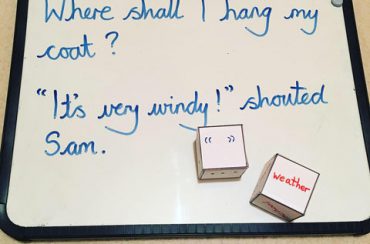
With back to school well and truly here, I expect children have started to come home with spellings! Spelling is an important skill to develop but learning spellings at home for a weekly spelling test can be dull, boring and uninspiring. I also find that some children learn their spellings well for the weekly test but don’t retain the spelling when they’re using it in their writing and also don’t understand the meaning of the word and how to use it effectively in a sentence.
So, with that in mind, here come my top 5 tips for making learning spelling and vocabulary fun and playful at home and help children to understand the meaning of their words and how to use them in speaking and writing.
How did you know I was going to say this? Quick 5-10 minute easy set up games every day will be really effective in helping your children to remember their spellings and their meanings. You can find a wide range of simple and playful games here that you don’t need to buy anything for in order to play. All can be set up using things you will most likely already have at home. Also don’t feel like you need to set up a different game each day; if your child enjoys playing it then leave it out to play again!
I’ve also got some digital downloads available here to help develop spelling and vocabulary.
In order to learn new things we need repetition. Seeing and saying something again and again will help children to learn their vocabulary. My advice would be to write each word on a separate post-it note and stick them somewhere where they can be seen regularly throughout the week, for example, on a wall in the dining room, on a door which is regularly used, on the fridge. Then use these as part of your everyday life. Shout out a word randomly and ask children to spell it, pick a word up and challenge children to use it in a sentence. As part of normal conversation, can you throw in one of the words? You’ll be surprised at how much children like the challenge and reward of using their words of the week!
This is a really good activity to use for both spelling and understanding the meaning of words, plus you’ll end up with a really useful word bank that children can refer to when they’re writing. All you need are some small pieces of paper or card (about playing card size) and a dictionary or Google to find out the meaning of the word. Challenge children to then draw that word using images that show its meaning and help them understand it. My picture below might explain it a bit better!

If there is one thing that children love, it’s being the teacher and marking (and correcting) other people’s work! So try doing that at home. Ask your children to test you on their spellings and maybe make a few mistakes so that they can correct you. They won’t think they’re learning their spellings but by looking at the words and checking your answers, they are doing just that!

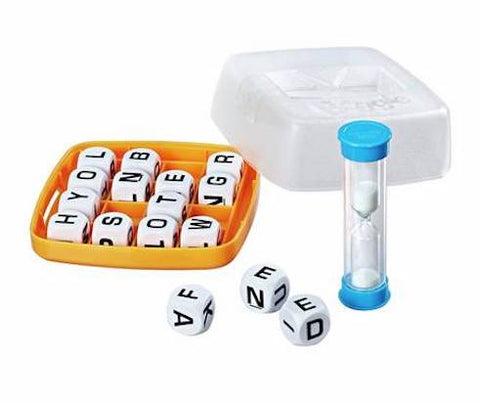
There are so many games that you probably already have at home, or would be a good addition to your collection, which help with spelling and vocabulary. Although these might not directly help with the spelling list your child has been asked to learn, my advice would be to have the list of words on the table near them while you are playing so that they can refer to them during the game. It may be that they can try to build the words using letters that they have but if they can’t, just simply looking at the words regularly will help them to remember them.
So there you go, I hope that provides you with some easy things to do to make learning that weekly list of words more fun, practical and engaging. Most importantly though, try to ensure that children understand the meaning of their words otherwise, learning how to spell them is pretty pointless!